

 Dec 14, 2025
 3 min read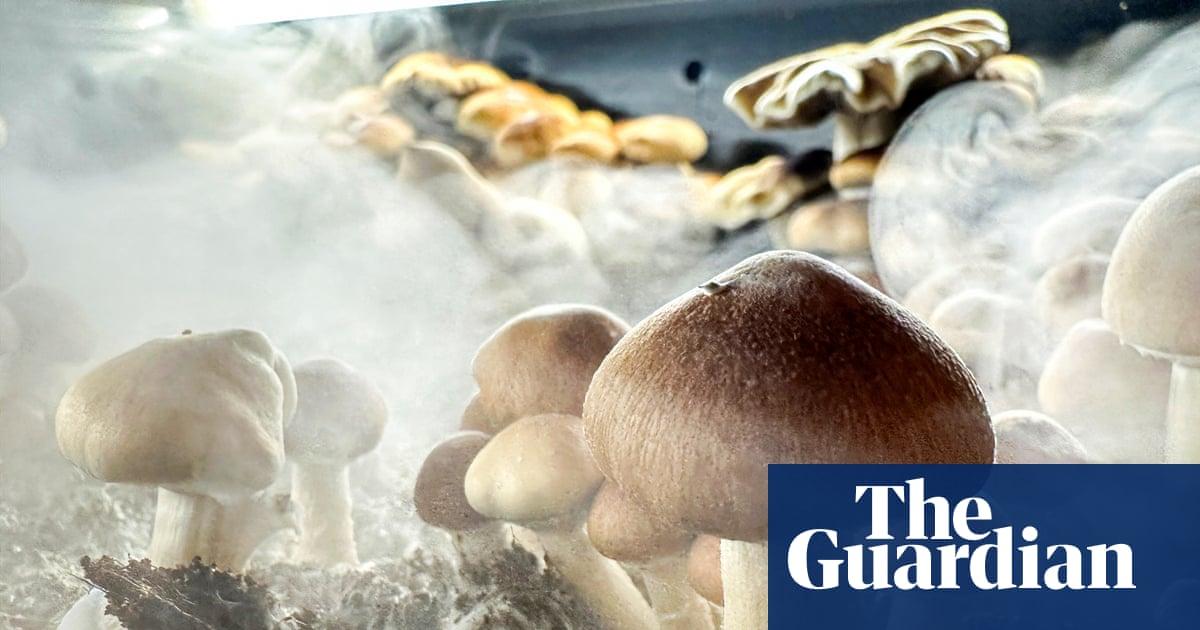
The psychiatry professor theorizes that the substance has to do with connecting to areas of the brain.
A recent review of alternative treatments for obsessive-compulsive disorder (OCD) shows that psychedelic treatments hold promise for the disorder, while cannabis does not.
Dr. Michael Voan Aringon, professor of Psiosterry at the McMaster University of Ortario, says 40-60% of treatment prevention.
Psychedelics and cannabinoids have become part of the conversation around OCD - a disorder characterized by obsessive, intrusive, obsessive thoughts and / or compulsive behavior - and there is a large body of emerging evidence about the effectiveness of these substances for more general conditions, such as depression and anxiety.
"We want to study and really understand, is there any evidence of this that has been talked about and can be used as a treatment in the next step?"The wreckage van described.
Given the paucity of existing literature, Van Amringen said he didn't know what to expect.To compensate for the lack of published information, they included conference presentations and preliminary, unpublished findings in the review paper.
After compiling the available evidence, Van Ameringen and his team found "stronger signals" for the efficacy of psychedelics, specifically psilocybin (the psychoactive component of "magic mushrooms") than for cannabinoids such as THC and CBD.
Van Ameringen hypothesizes that the difference is related to how these substances interact with areas of the brain associated with OCD.While cannabinoids activate the brain's CB1 receptors, which regulate symptoms such as compulsions and anxiety, available evidence suggests that they do not provide lasting relief from OCD symptoms.
PSilocybin, on the other hand, can reduce connectivity in the brain's innate mode network, which is "essentially involved in thinking and is complex. The innate mode network is really activated in OCD," he said.
The difference in methodology between the cannabis and psilocybin studies may have contributed to the different results, says Dr. Mohamed Sherif, a psychiatrist and computational neuroscientist at Brown University who will lead a future clinical trial on psilocybin for OCD. ka rite ki te "haerenga".
Sheriff was briefed on Cannabinoid studies.
Dr. Terence Chin, a clinical psychologist at Yale University School of Medicine, also wonders whether the different results could be explained by the way people use cannabis and psilocybin.Although people tend to use cannabis for temporary pain relief, psilocybin may help facilitate actual changes in the brain and patient awareness of OCD.
"One may use cannabis for therapeutic reasons, to deal with something deeper about their obsessions and obsessions. But generally people use cannabis to avoid roles," Ching explained.
Preliminary results from Cheng's single-dose clinical trial for the treatment of OCD were included in Van Ameringen's review paper and showed that Psylixbin was effective for OCD symptoms compared to placebo.Cheng is now preparing the results for publication and planning a second clinical trial in which OCD patients receive two doses at different times.
In the single-dose study, 11 patients received either psilocybin or niacin (a placebo designed to mimic some of the effects of psilocybin so that patients would not be sure which drug they received).During the dosing process, patients will sit with two counselors who will provide minimal guidance in the form of open-ended questions.
Cheng said his protocols include strict rules about the types of touch allowed when patients request them — only hands on shoulders or forearms — to establish clear ethical boundaries. Past psychedelic clinical trials have caused controversy because facilitators made unnecessary contact with affected participants.
Ching said the study was not only useful because it showed that psychedelics can improve OCD symptoms, but it also provided more insight into the nature of OCD for both clinicians and the participants themselves.
According to Ching, psilocybin is known to induce "mystical experiences" with a specific type and intensity of psychedelic effects.
"What you see with OCD is more frequent magical experiences, braking deeper experiences, braking" Choikhod, these are the main characteristics of the disorder.
While clinicians in Psychedelic trials may often encourage patients to delve deeper, Ching says that with OCD patients, it's important to remain "non-supervised".
During the trial, Ching saw patients recognize their drug resistance and gain the deeper insight they needed, "
Ching is optimistic about the future of psychotropic drugs, but there are several obstacles that make them difficult to test.PTILOCYBIN is still an illegal program in the United States, which means that researchers must take some steps to study it, using an approved dea that "needs to be established under," in a secret location.
Researchers should also address the issue of "functional unblinding," or the idea that psychedelic effects mean test participants are able to guess whether they received cilosiban or a placebo, which could alter their perception of their own symptoms.That's especially troubling given the hype surrounding psychedelics, Chung said.
Many participants will enter the experiment expecting a "miracle": seriously, they will pay for the work of the spirit, because there is a lot of wisdom at work, because there is a lot of wisdom."