


 Dec 11, 2025
 3 min read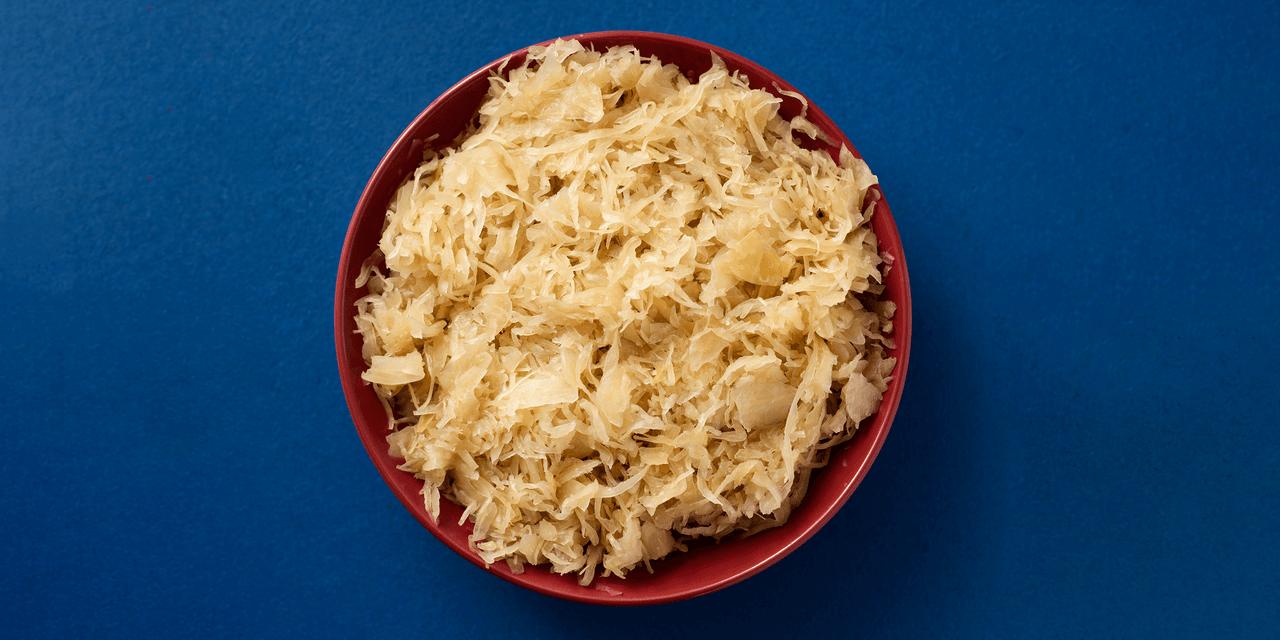
Best of all, the best foods do wonders for digestion.Here's how to incorporate them into your diet.
You've probably slept on fermented foods for most of your life.Here in the United States, they're "not a natural part of our diet like they are in many other populations," says Amy Burkhart, MD, RD, a gut health physician and registered dietitian.Germany has sauerkraut, Korea has kimchi, China has stinky tofu, Japan has miso, but Americans - sometimes after gastronomy - have no food.fermented.
But interest in fermented foods is growing steadily as people become more aware of their benefits to the gut.And unlike other methods that build time (protein
Below we explain in detail how fermented foods improve digestion.which fermented foods are best;whether fermented foods pose health risks;and what to keep in mind if you want to add them to your diet more often.(Number one: "Don't be wary of trying them!" says Dr. Burkhart.)
Why is boiled food so good for gut health?
Fermentation involves the breakdown of carbohydrates, such as sugars and starches, by beneficial microorganisms, such as bacteria, yeast and mold, especially bacteria that produce lactic acid.In nutrition-speak, these microorganisms are often called "probiotics".When you consume these microbes in fermented foods, drinks or probiotic supplements, they can positively affect your digestive system in many ways.Not only do they support your gut microbiome—the collection of microorganisms that live in your digestive tract—but they also strengthen the tissue that lines the gut (aka the "gut barrier"), improve your body's ability to absorb nutrients, and reduce digestive symptoms like gas, bloating, and diarrhea.
In addition to their GI effects, these microbes can also benefit your health in other ways.They reduce inflammation, moderate your immune response, balance blood sugar, and lower harmful LDL cholesterol and triglyceride levels.Plus, "there's some evidence that they can improve mood and cognition," says Dr. Burkhart.What's more, she notes, many of these non-digestive benefits can boost digestive health indirectly — a "circular effect."Inflammation, for example, is thought to be a factor in autoimmune conditions, including digestive diseases such as IBD and celiac disease, so reducing it can reduce symptoms.
Yesterday, research has emerged to show that acid (such as lactic acid from lactic acid bacteria) can help digestion in their own right.He is solely responsible for the increased antioxidant activity in mixed foods.
What is the best healthy food?
All sour foods are said to be more valuable for the reasons mentioned above: "stronger, more bioactive, and more bioactive effects."Cooking and pasteurization kill beneficial microbes and sell a lot of sour foods.But those who cook and pasteurize still retain the metabolites.Here are some examples.
- Plain Greek yogurt: Look for yogurt that contains "live, active cultures," says Simmons.According to the International Dairy Foods Association, this can help fight against pathogenic (harmful) bacteria such as E. coli, Clostridium, and Salmonella, namely the lactic acid bacteria Lactobacillus bulgarix and Streptococcus thermophilus.Rebalance the digestive system after a course of antibiotics.Simmons explains.They even fight lactose intolerance because they help break down lactose in milk.Because of this, "people who are lactose intolerant can often tolerate things like kefir or cheese, which are fermented," more easily than, say, plain cow's milk, notes Dr. Burkhart.
- Kefir: Among all harmful foods, Kefir is one of the most studied.It has people with names of the name of lactic acid and modulates says: “Simons says: Additionally, it has been shown to reduce inflammation, adds Dr. Burkhart.
Do you like Greek yogurt or kefir?No problem.If fermented milk isn't your speed, fermented plant products are also effective, mostly due to specific amounts.
- Kimchi: This traditional Korean side dish is “rich in antioxidants and polyphenols that further modulate microbial activity and reduce inflammation,” says Simmons.
- Mainerkrat: In the epic printed on chivalric artistry, the action Burkhart is a story.
- Miso and Tempen: Both soy Thisems contain "biotile peptides with anticachobia and antioxidant properties," Simmons says.Ober, miso differs from the beneficial microbes that formed the peptides in the first place.
- Sourdough bread: While baking eliminates the lactic acid bacteria that dominate the sourdough, the natural sourdough will retain metabolites such as lactic acid, which "inhibits spoilage organisms and potentially disease-causing bacteria."Translation: it'll stay fresh longer and you're less likely to get food poisoning.On the other hand, chemical acidification kills both beneficial microbes and metabolites.
And finally, you have to drink the yeast for one of the above to happen.
- Kombucha: yes, non is your best friend's favorite.It is made from fermented green or black tea.
All that said, "there are no direct studies on which is better" when it comes to fermented foods, Dr. Burkhart says, so keep that in mind when weighing your options.
Do fermented foods pose any health risks?
Some fermented foods may be high in sodium or sugar (like kimchi and miso or yogurt, kefir, and kombucha, respectively), which may be something to watch out for.Try to choose “sugar-free products whenever possible,” says Simmons.Plus, fermentation itself can carry inherent risks: "The effects can be very dependent on each individual" depending on factors like the current state of your gut microbiome, your genetics, and your diet, Simmons says.“Not everyone reacts the same way.”
Basically, explains Dr. Burkhart, many benefits "have a chance with them and be careful with them" symptoms of allergy or addiction problems.
- First: Addonocompromisers Pater- "One is sexually vulnerable," says Dr. Burkhart. From a food that can occur in the body, the food can be more dangerous than many other foods because it is not cooked and mixed.Because the mixture cannot be used without something good (good (as in Steotiotics)) or bad (as in E. combonelle), they are more prone to wrinkle.(WU, according to you, nothing is complete in terms of what was published in the scientific community on the subjects abused by humans.)
- Next are people who have a low tolerance for dietary histamine, a chemical compound that plays an important role in allergic reactions. Although histamine intolerance is a controversial condition;The American Academy of Allergy, Asthma and Immunology doesn't seem to recognize that, people more likely to report symptoms are middle-aged, ADHD, and myalgic encephalomyelitis/chronic fatigue syndrome (self-contradictory).when they eat fermented foods,” says Dr. Burkhart.
- Finally, there are people with digestive problems such as iBs or small intestinal bacteria (Sibo) who are interested in the risk of pregnancy.Although you'd think that fermented food would give some extra help since it's known to be bad for bacteria because there are some imbalances in the bacteria in the gut, Burkhart said.
But that doesn't mean people with IBS or SIBO should avoid fermented foods entirely, just that they should be a little more careful with them. "Start with very small amounts, and maybe not eat them every day," advises Dr. Burkhart.
What should you listen to when spending time on food?
Science still doesn't have definitive answers to the main questions surrounding this topic, such as "How often should I eat fermented foods?" and "How much should I eat at one time?" Dr. Burkhart said (or "What is the target range for the number of bacteria I should aim to ingest?," Simmons added). However, Dr. Burkhart explains, "There are no specific guidelines for the best way to eat fermented foods, other than to eat them."Regularly, consistently and with variety, and choose those that are minimal."
However, Dr. Burkhart has some basic recommendations: First, try to eat filling foods once a day - if you want to be more alert, twice.This will help facilitate “consistent intestinal repopulation,” he said.Just be careful not to introduce it too quickly, as too much of it can cause digestive stress.
Secondly, don't stick to the same food all the time." It is always a good idea to eat as many different foods as possible, because each of them will have another familiar person who is in the bacteria of the food being said. If you are buying all your foods in the store instead of preparing them yourself, record in the update section when used, as solid products cannot include any protection. This "life and social culture" is the name of the counted trust (or mixed in water with products like Komuku). Given theproducts that exist are problems that also exist that cause disease, remember, remember that you have to be heavy to resist the necessary things.
Lastly, you should not limit yourself to just the fermented foods mentioned in this article.Greek yogurt, kimchi, simchi, bread puff pastry, Kombuma.Etc.They may be big brands in space, but they are not your only option."Eating what you eat is not as important as what you eat," says Dr. Burkhart.In addition to being fermented, it will be about incorporating food into a long-term sustainable diet.
- Colostrum supplements are everywhere - but are the health claims legitimate?
- This can be a "healthy" sugar substitute
- Is soda prebiotic - and is it really good for you?
Get more of the best service journalism straight to your inbox.